Plan your visit to Mauritshuis in The Hague
Mauritshuis in The Hague is a compact, world-class museum set inside a 17th-century royal palace, best known for iconic works like Vermeer’s Girl with a Pearl Earring. Although it’s relatively small, it holds an impressive concentration of Dutch Golden Age masterpieces and can feel quite busy around its most famous rooms. Most visitors spend around 1.5–2 hours here, but crowd flow can heavily influence how relaxed your visit feels. This guide covers everything from tickets and access to what not to miss once you’re inside.
Quick overview: Mauritshuis at a glance
- Hours: Mauritshuis is open Tuesday to Sunday from 10am to 6pm and on Mondays from 1pm to 6pm. The last entry is 30 minutes before closing, and hours remain consistent year-round with no major seasonal changes.
- Advance booking: Advance booking is strongly recommended because entry is strictly timed and capacity-managed. Weekends, holidays, and midday slots can sell out several days in advance.
- How long to allow: Around 1.5–2 hours for most visitors. It can stretch longer if you linger at major works like Vermeer’s Girl with a Pearl Earring or use the multimedia app throughout your visit.
- When to go: Late afternoon (around 3pm - 5pm) is usually calmer than late morning to early afternoon, when tour groups and peak crowds gather in the main gallery rooms.
- What most people miss: Smaller side galleries with Dutch still lifes and lesser-known portraits are often overlooked, even though they offer some of the most peaceful and rewarding viewing in the museum.
- Self-guided experience: The visit is self-guided, supported by a free multimedia app that adds strong context.
Jump to what you need

🕒 Where and when to go
♿ Facilities & accessibility
📋 Rules and regulations

📍 Must-visit landmarks near Mauritshuis

🥗 Eat, shop & stay nearby
❓ Frequently asked questions
Where and when to go
How do you get to Mauritshuis?
Address: Plein 29, 2511 CS The Hague, Netherlands
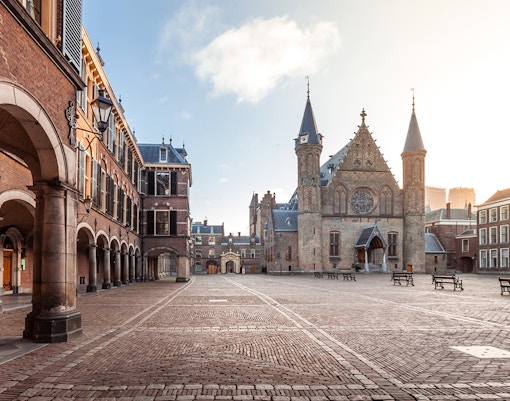
Mauritshuis is located in the historic centre of The Hague, right next to the Binnenhof (Dutch Parliament) and a short walk from the main city centre.
- By tram: Tram lines 1, 9, 10, 16, and 17 stop at Centrum / Buitenhof, about a 5–8 minute walk from the museum. From there, head toward Plein square and follow signs to the entrance.
- By train + walk: From Den Haag Centraal Station, it’s around a 10–12 minute walk. Exit toward the city centre and follow signs for Binnenhof/Plein.
Which entrance should you use?
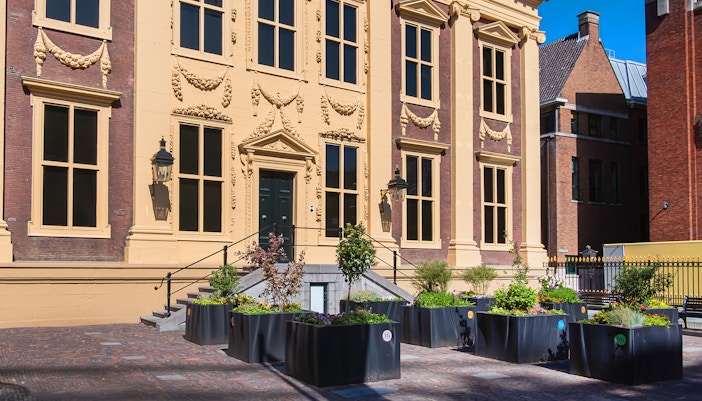
The Mauritshuis has a single main entrance located on Plein Square, facing the open plaza near the Binnenhof.
All visitors use the same entrance regardless of ticket type. Entry is managed in timed slots, so queues are usually short but can build slightly during busy late morning periods. Once your ticket is checked, you pass a quick security screening before entering the galleries.

When is Mauritshuis open?
- Tuesday–Sunday: 10am - 6pm
- Monday: 1pm - 6pm
- Last entry: 30 minutes before closing
- When is it busiest: Late morning to early afternoon (around 11am to 2pm) is the busiest period, especially when tour groups arrive and cluster around the main masterpieces.
- When should you go: Late afternoon (around 3pm - 5pm) is noticeably quieter, making it easier to enjoy the most famous works without heavy crowding and to move more freely through the galleries.
What should you prioritise at Mauritshuis?
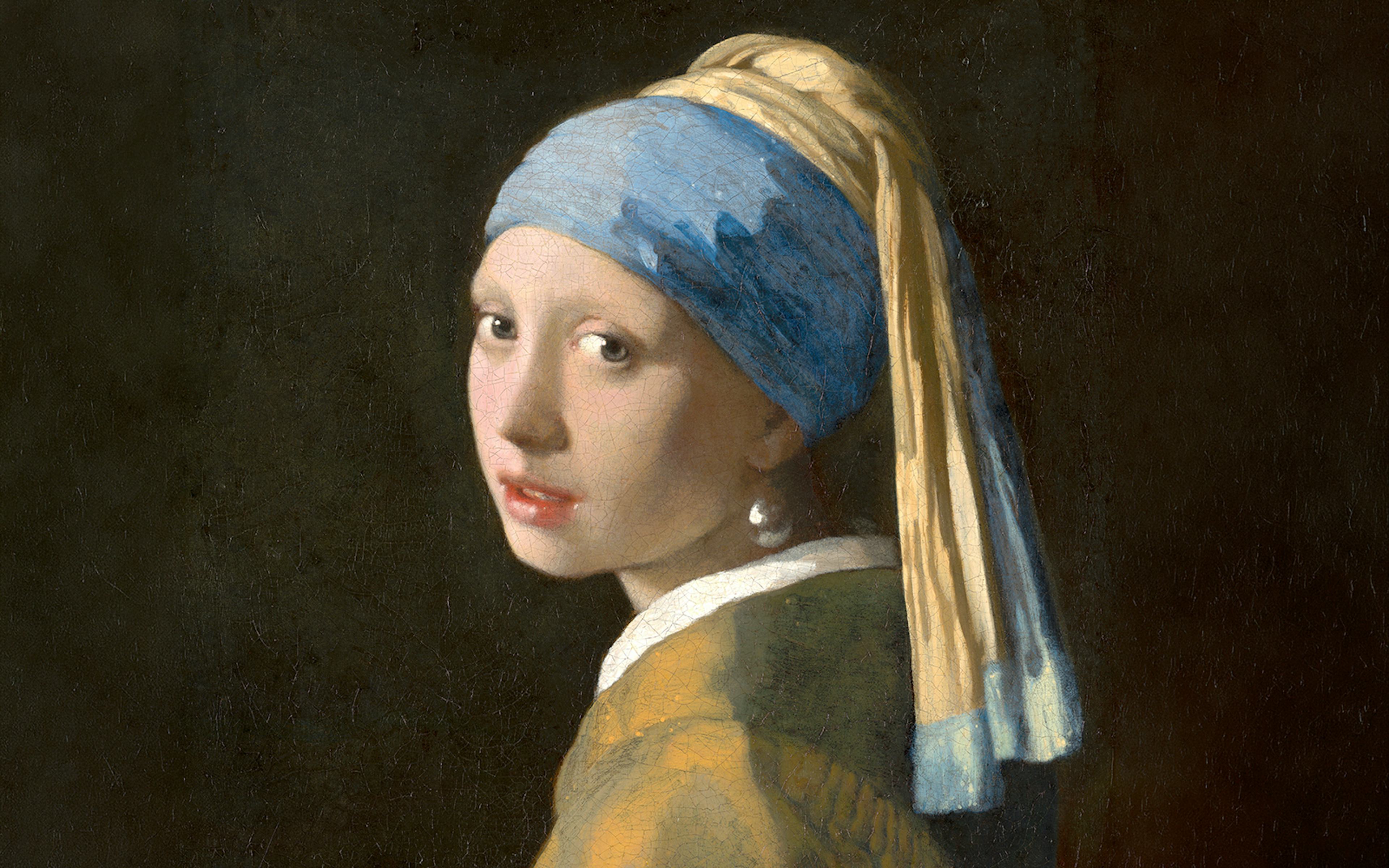
Girl with a Pearl Earring
Artist: Johannes Vermeer
Vermeer’s most famous painting is small in size but has an outsized presence, often becoming the focal point of the entire museum. The magic lies in its simplicity—the soft light on the girl’s face and the way her gaze feels almost interactive as you move around her.
The Anatomy Lesson of Dr. Nicolaes Tulp
Artist: Rembrandt van Rijn
This early Rembrandt work turns a medical demonstration into a dramatic, almost theatrical scene filled with character and tension. The way light isolates key figures makes your eye travel naturally across the composition.
View of Delft
Artist: Johannes Vermeer
This rare landscape by Vermeer captures his hometown with a calm, almost atmospheric stillness that feels different from his indoor scenes. The painting rewards slow viewing, as subtle shifts in sky and water tones gradually reveal themselves.
The Goldfinch
Artist: Carel Fabritius
A small but unforgettable painting, The Goldfinch stands out for its lifelike simplicity and illusion of depth. It’s easy to walk past because of its size, but up close the brushwork makes the bird feel almost present in space.
Saul and David
Artist: Rembrandt van Rijn
This emotionally charged biblical scene captures tension through gesture and expression rather than action. The layered brushwork reveals Rembrandt’s evolving process, and the contrast between calm and unease becomes clearer the longer you observe it.
The Bull
Artist: Paulus Potter
One of the largest animal paintings of the Dutch Golden Age, this work gives an almost monumental presence to a rural subject. The scale surprises many visitors, while the detailed rendering of texture rewards closer inspection.
The Laughing Boy
Artist: Frans Hals
This portrait captures an unusually lively, spontaneous expression that feels almost modern compared to other works of the period. Hals’ loose brushwork gives the face a sense of movement that becomes clearer from a slight distance.
Portrait of a Young Woman
Artist: Rembrandt van Rijn
A quieter, more intimate Rembrandt portrait that focuses on subtle emotion rather than dramatic lighting or storytelling. The softness in the face and fabric detail becomes more apparent when you slow down and observe it closely.
Facilities and accessibility
- 🎒 Cloakroom / lockers: A free cloakroom is available for coats, umbrellas, and bags. Bags larger than A4 size are not allowed inside the museum.
- 🚻 Restrooms: Restrooms are available inside the museum after entry and are clearly signposted. Accessible toilets are also available on-site.
- 🍽️ Café / restaurant: The Mauritshuis has an on-site brasserie where visitors can buy lunches, snacks, and drinks.
- 🛍️ Gift shop: A museum shop is located near the exit, offering books, prints, and souvenirs inspired by the collection.
- 📶 Wi-Fi: Free Wi-Fi is available throughout the museum.
- 🪑 Seating / rest areas: Seating is available in selected gallery rooms for short breaks during your visit.
- ♿ Mobility: The museum is largely accessible with lift access between floors. Wheelchairs are available on request, and accessible toilets are provided.
- 👁️ Visual impairments: The Mauritshuis app provides audio content and detailed explanations of artworks to support self-guided visits. Staff can also assist with orientation on arrival.
- 👶 Families and strollers: Pushchairs and strollers are allowed, and baby-changing facilities are available. The main route is generally suitable for families, although some narrower areas may require adjustment during peak times.
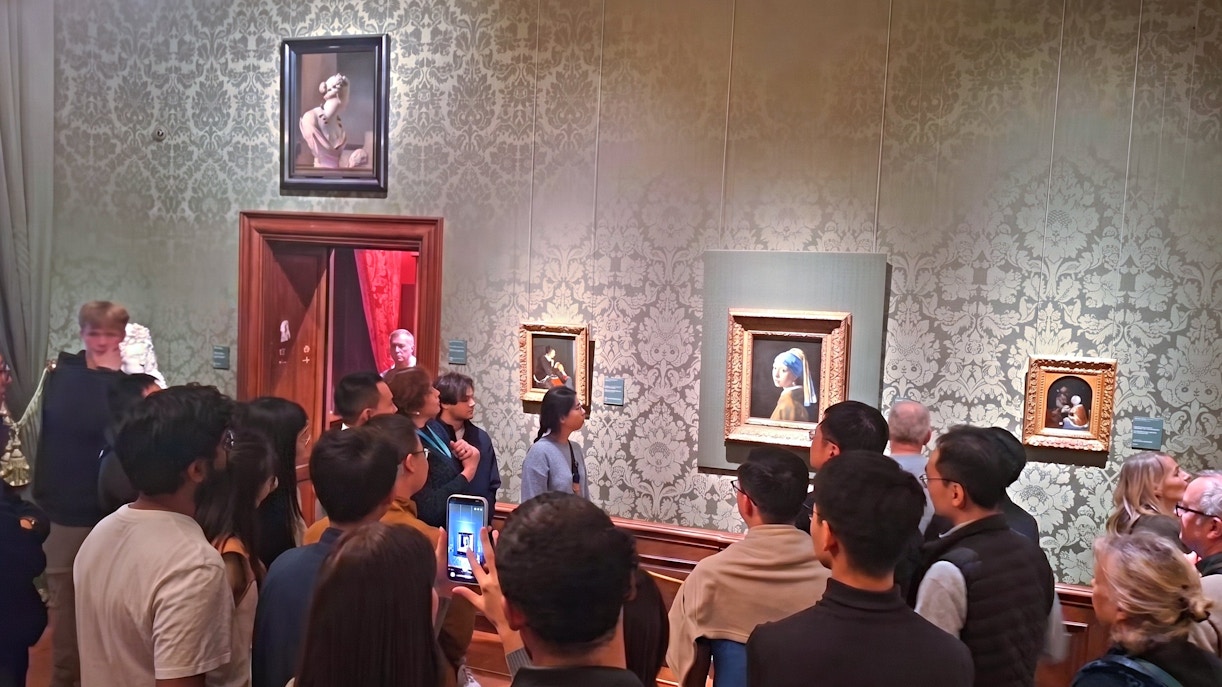
- Mauritshuis is well suited for families thanks to its compact size and iconic artworks like Girl with a Pearl Earring and The Goldfinch.
- A visit of around 60–90 minutes is ideal for children to stay engaged without getting tired.
- Facilities such as restrooms, seating, and the café make breaks easy during the visit.
- There is a special baby-changing area in the restrooms in the foyer for diapers, and breastfeeding is allowed throughout the museum.
- If you need a quiet place for feeding, lactating, or changing, staff will guide you to a dedicated lactation room. Buggies and prams are fully allowed inside the museum.
- Earlier afternoon slots usually work best for families, balancing manageable crowds with good energy levels.
Rules and restrictions
What you need to know before you go
- Entry requirement: Entry is only possible with a valid, dated, time-slot ticket. Children aged 0–17 require a reserved ticket but can enter free of charge.
- Bag policy: Bags larger than A4 size, umbrellas, and luggage must be left in the free cloakroom. Prams and wheelchairs are allowed but may also be inspected.
- Re-entry policy: Re-entry is not permitted once you leave the museum, so your visit should be planned as a continuous experience.
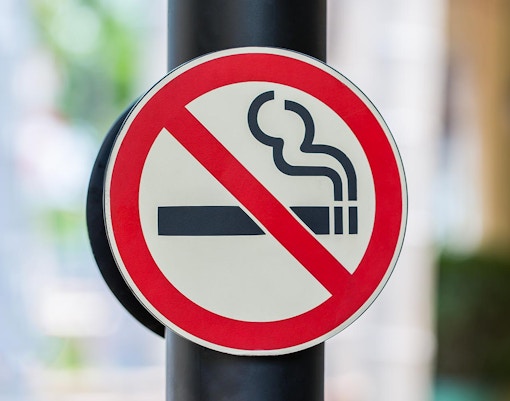
Not allowed
- Food and drink: Food and drinks are only allowed in the brasserie and designated areas.
- Smoking / vaping: Not allowed anywhere inside the museum building.
- Pets: Not allowed, except certified assistance dogs.
- Exhibits: Touching artworks or display cases is strictly prohibited.

Photography
- Personal photography is allowed for non-commercial use.
- Flash, tripods, selfie sticks, and professional lighting equipment are not permitted.
- Some temporary exhibitions may restrict photography, clearly indicated on-site.
Good to know
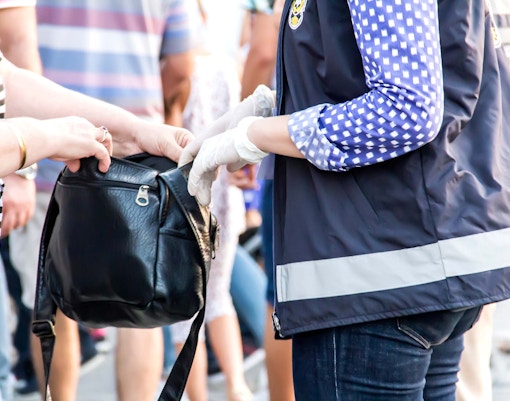
- The cloakroom rule is strictly enforced: bags larger than A4 will not be allowed beyond security.
- All bags and prams may be checked on entry as part of security procedures.
- Large luggage cannot be stored on-site, so visitors should use station lockers if needed.
Practical tips
- Booking and arrival: Mauritshuis uses timed-entry tickets, and access is tied to your selected time slot. Arriving late may mean waiting for the next available entry window, especially during weekends and peak periods.
- Pacing your visit: Don’t rush straight to the most famous works. The experience is best when you explore the surrounding galleries first and arrive at Girl with a Pearl Earring naturally, as this helps avoid peak crowd clustering in the central rooms.
- Crowd management: The quietest period is typically late afternoon (around 3pm–5pm), when tour groups have usually left and the museum feels more open and comfortable to explore.
- What to bring or leave behind: Travel light. Bags larger than A4 must be stored in the cloakroom, which adds time on entry. Small bags pass through quickly, while larger items may add a noticeable delay during busy hours.
- Food and drink planning: The on-site brasserie is convenient for a short break, but many visitors prefer eating before or after their visit in nearby Plein Square or The Hague city centre for faster service and more variety.
What else is worth visiting nearby?
Binnenhof (Dutch Parliament Complex)
- Distance: approx. 50–150 m
- Travel time: approx. 1 to 3 min walk
- Why people combine them: Located directly next to Mauritshuis, Binnenhof is the most natural same-day pairing. It works well as a continuation of the visit, with the Hofvijver area typically explored before or after the museum.
Gevangenpoort Museum (Prison Gate Museum)
- Distance: approx. 200 m
- Travel time: approx. 2 to 4 min walk
- Why people combine them: This medieval prison gate sits just around the corner from Mauritshuis. It is commonly added as a short follow-up stop, offering insight into Dutch justice and punishment history in a very different atmosphere from the art collection.
Escher in Het Paleis (Escher Museum)
- Distance: approx. 800 m
- Travel time: approx. 10 to 12 min walk
- Why people combine them: Set in a former royal palace, this museum shifts the experience from Dutch Golden Age painting to optical illusions and graphic art. The walk through Lange Voorhout also provides a scenic connection through the city centre.
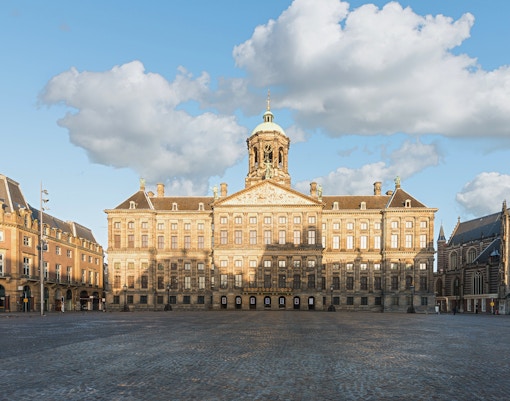
Noordeinde Palace (Royal Palace of the Netherlands)
- Distance: approx. 900 m
- Travel time: approx. 10 to 12 min walk
- Why people combine them: This working royal palace adds a modern monarchy layer to the historic district. It is often included in a relaxed walking route through elegant streets and palace surroundings.
Eat, shop and stay near Mauritshuis
Mauritshuis has an on-site brasserie serving light meals, snacks, coffee, and drinks. It is mainly suited for a short break rather than a full dining experience.
Better options nearby:
Café Restaurant Schlemmer: Classic European café-restaurant serving brunch, lunch, and relaxed dinners
- Why go: One of the closest dependable sit-down options to Mauritshuis, making it a reliable choice for a relaxed meal before or after your visit.
Bleyenberg: Modern restaurant and rooftop bar serving brunch, lunch, dinner, and cocktails
- Why go: Known for its rooftop terrace and laid-back, modern atmosphere, it is ideal for a casual meal or drinks with views over The Hague city centre.
Restaurant Calla’s: Michelin-starred fine dining restaurant
- Why go: One of the top fine-dining experiences near Mauritshuis, ideal for a special occasion, with refined tasting menus and formal service.
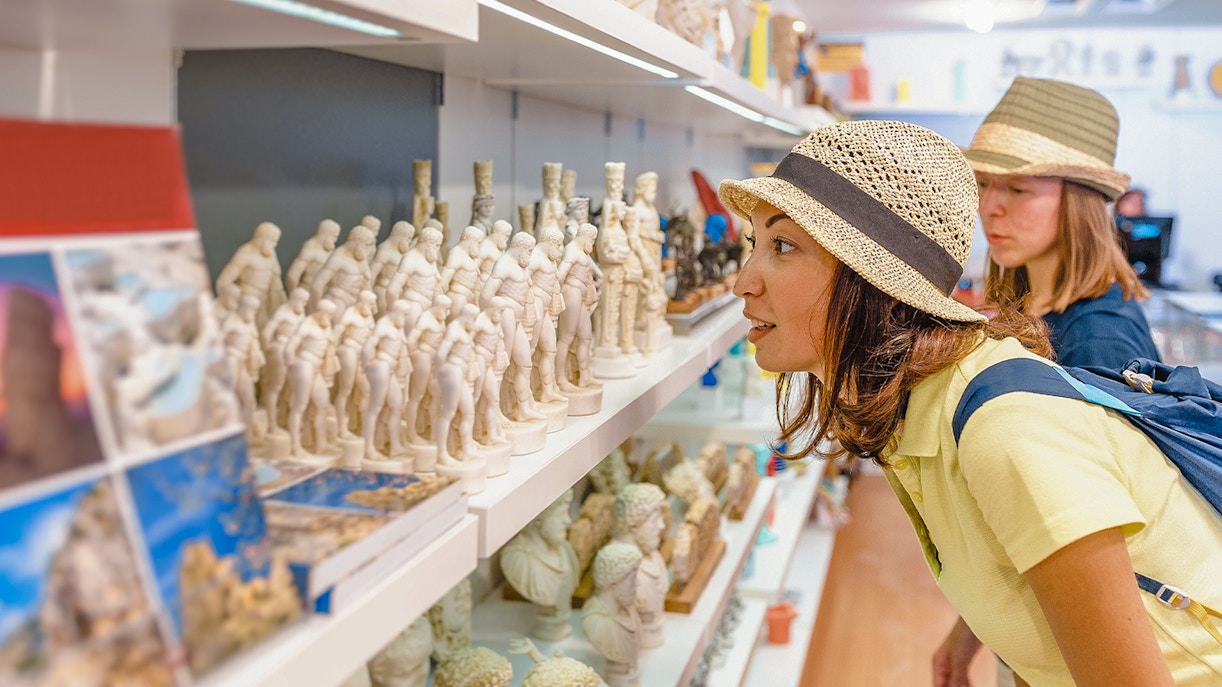
Mauritshuis Shop: Official museum shop selling art books, prints, postcards, and souvenirs inspired by Dutch Golden Age paintings
- Why go: Best place for official museum merchandise directly tied to the collection
Denneweg boutiques: Upscale shopping street with antique stores, design shops, and specialty boutiques
- Why go: Best nearby area for higher-quality souvenirs and local design items
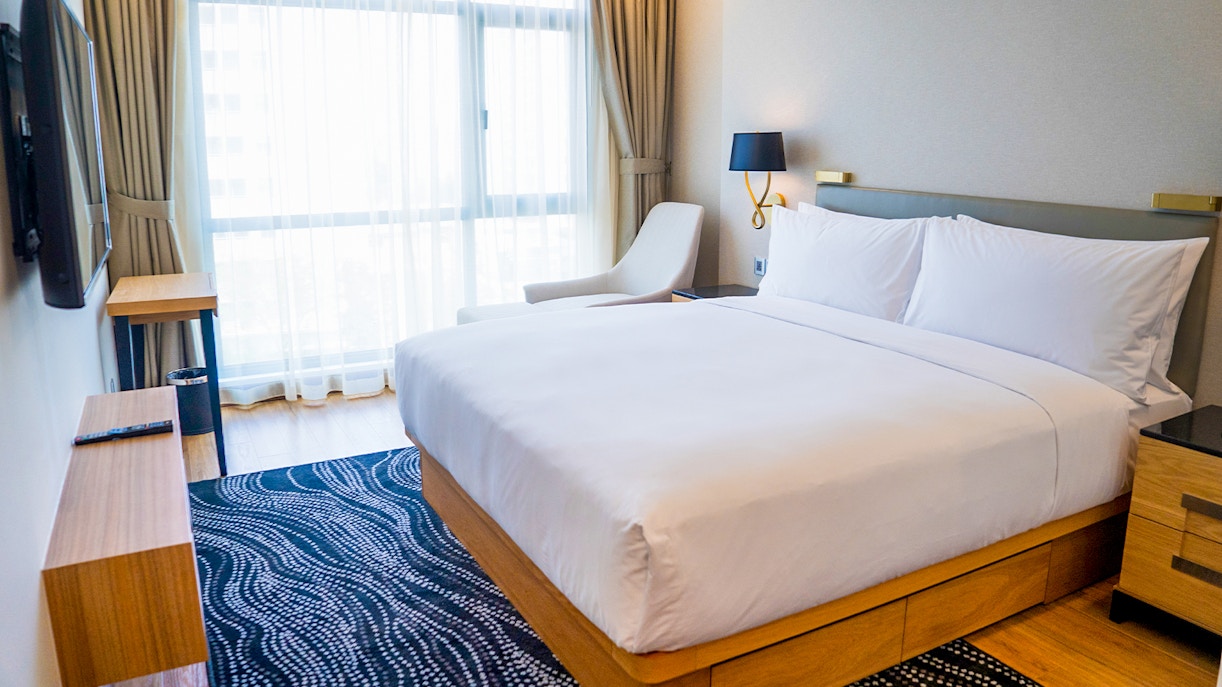
The Mauritshuis area sits in the heart of The Hague, next to Binnenhof and key government buildings. It’s highly walkable and ideal for sightseeing, though quieter in the evenings than entertainment districts.
Best hotels near Mauritshuis:
Hotel Des Indes: Luxury 5-star historic hotel known for its grand interiors and central location
- Why go: One of The Hague’s most iconic heritage hotels, offering a high-end stay in a prime cultural area near Mauritshuis
The Collector Hotel: Stylish boutique hotel in the city centre, close to shops and Mauritshuis
- Why go: Best for a design-focused stay right in the heart of the historic centre, with everything within walking distance
Hilton The Hague: Modern 5-star hotel with spacious rooms, popular for both leisure and business stays
- Why go: Reliable upscale option with larger rooms and a quieter setting slightly away from the busiest tourist streets
Frequently asked questions about visiting Mauritshuis
Most visits take about 60–90 minutes. If you use the multimedia guide or spend extra time in front of key works like Vermeer and Rembrandt paintings, it can extend to around 2 hours.
Advance booking is strongly recommended, especially during weekends, holidays, and peak tourist months (roughly April to September). Timed entry is used to manage crowd flow, so booking ahead helps secure your preferred time slot.
Arriving about 10–15 minutes before your entry time is ideal. This allows enough time for ticket scanning and security checks before entering the galleries.
Small bags are allowed inside, but larger bags and items exceeding A4 size must be left in the cloakroom. Large luggage is not permitted inside the museum.
Yes, photography is allowed in the permanent collection for personal use without flash. Tripods, selfie sticks, and flash photography are not permitted.
Yes, groups are allowed. For guided group visits or larger groups, advance booking is recommended to ensure availability of time slots and smooth entry.
Yes. The compact size and famous artworks make it suitable for families. Children often engage well with highlights like Girl with a Pearl Earring and The Goldfinch, and a visit of around 60 minutes is usually comfortable for younger visitors.
The museum is largely accessible with lifts connecting floors and accessible toilets available. Due to the historic building, some areas may be narrower, but the main collection is accessible.
There is a small on-site brasserie serving light meals and drinks. A wider choice of cafés and restaurants is available within a few minutes’ walk around Plein and Denneweg.
